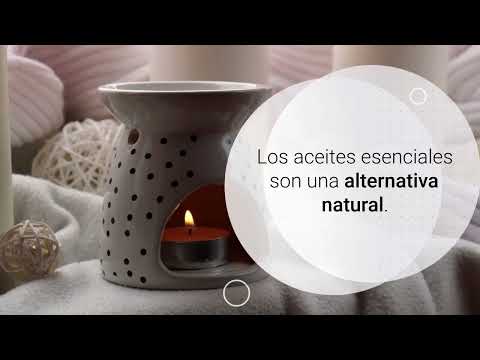
Three uses for your essential oils at home, and how to get them right
I think a bottle of essential oil is one of those things people buy more than they use: it sits half-full in a drawer until one day it smells stale. Here are three uses for your essential oils at home, scenting the air,…


I think a bottle of essential oil is one of those things people buy more than they use: it sits half-full in a drawer until one day it smells stale. Here are three uses for your essential oils at home, scenting the air, a body oil, and looking after the house and the wardrobe, with the amounts and precautions that actually matter.
There's no single right way to do this. It's a guide to get you started well, and after that your nose decides.
What to know about the bottle
An essential oil is a concentrate. A hundred kilos of lavender flowers yield barely a couple of litres of oil, so there's a lot of plant in every drop. That's why it's almost never used neat, and why it's never swallowed, not even a few drops in water.
Keep it closed, upright and away from light and heat, the way you'd keep a good olive oil, and write the date you opened it on the label. Air oxidises it, and an oxidised oil irritates skin more than a freshly opened one. Citrus oils and tea tree go sooner: once they've been open a year, or the smell turns sharp, keep them for scenting the air and stop putting them on your skin. And always keep them where children can't reach. Swallowed, they're dangerous, and it takes very little.
So which one should you buy? Read the label. A good bottle gives the plant's botanical name (Lavandula angustifolia, not just “lavender”), where it comes from and how it was extracted. With woods the sums are even worse for the land: sandalwood and rosewood have been overharvested to the point of trouble, so if you like them, look for plantation-grown ones. My advice is to buy small bottles and use them up, because ten half-empty bottles going stale in a drawer do nobody any good.
Use 1: scenting the air
It's the simplest use and the lowest risk, because the oil never touches your skin.
With a diffuser:
- Fill the tank with water and add three to six drops per 100 ml.
- Run it for thirty to sixty minutes, then leave it off for as long again.
- Air the room between one round and the next.
- Put it on a stable surface, out of reach of children and animals.
Leaving it on all afternoon doesn't scent the room more. It just saturates the air and tires your sense of smell, like when you've spent a while in a perfume shop and can't tell one scent from another.
Without a diffuser, two or three drops on a cotton wool ball in a small dish will scent a small bathroom for hours. That same cotton wool ball, tucked inside the pillowcase rather than onto the fabric against your face, is the age-old way of taking the smell of lavender to bed. Lavender has always gone with rest: the Romans already put it in their bath water, and that's where its name comes from.
Winter steam. Eucalyptus is the smell of the old-fashioned steam bowl, and plenty of people find breathing it comforting when they have a cold. A couple of drops in a bowl of hot water, your face a sensible distance away and your eyes closed. Don't do it with children, or near them, because of both the steam and the oil.
A homemade spray. Essential oils don't dissolve in water: they float, and come out of the nozzle undiluted. That's why the base is alcohol. For a 100 ml bottle:
- about 75 ml of perfumer's alcohol or, if you can't find it, ordinary vodka;
- fifteen to twenty drops of essential oil;
- water to fill.
Shake it before every use and spray into the air, not onto fabric, varnished wood, natural stone or screens. Test it somewhere hidden first, and keep it away from candles and any flame, because alcohol burns.
If you'd like to take this further, how to make your home smell good has six more ways to scent the house.
Use 2: a body oil for the end of the day
This is where dilution matters, because the oil does touch your skin. Essential oil never goes on skin neat: the most common reaction is irritation, and it nearly always comes from using an oil undiluted.
The maths is easy. One drop per 5 ml of carrier oil is roughly 1%. For the body, 1 to 2%, which means six to twelve drops in a 30 ml bottle. For your face and other delicate areas, 0.5 to 1%. For an older child, or an elderly person, drop to 0.5% and check with your doctor or an aromatherapist first. Always start at the lowest and go up only if you need to.
The base is a vegetable oil, never water: sweet almond, jojoba, sunflower, apricot kernel or fractionated coconut. For the face, rosehip and argan are popular, since they're skincare oils in their own right. If you'd like to carry your blend with you during the day, how to use a roll-on oil well has the sums for a small bottle.
Which oil to choose depends more on your nose than on any list. Lavender is the one most people reach for at night; plenty of people find citrus wakes them up in the morning; peppermint is refreshing, and rosemary is the old standby of hair lotions. Tea tree has a reputation for spots, and several small studies point to a formulated 5% gel helping with mild acne. But that's a laboratory product. At home, dilute it and always patch test, because it's one of the oils most likely to sensitise your skin.
A simple massage. Plenty of people find a massage with this oil across the shoulders and neck welcome at the end of the day, or on the legs after hours on your feet. It needs no technique: warm the oil between your hands and work slowly.
Patch test, before you use a new blend:
- Put a little of the diluted mixture on the inside of your forearm and cover it with a plaster.
- Wait 24 to 48 hours.
- If you get itching, redness or bumps, wash it off with soap and water and forget that oil.
If essential oil gets in your eye, rinse with vegetable oil, not water, and go to A&E if the discomfort continues.
Citrus oils and the sun. Bergamot, lime, lemon and grapefruit that have been cold-pressed are phototoxic: on skin exposed to sunlight they can cause burns and marks that take months to fade. If you use them on your body, do it at night and on covered areas, and stay out of the sun and off sunbeds for at least twelve hours. With bergamot, the recommended limit in anything left on the skin is 0.4%, a single drop in 50 ml.
What to expect. Several small studies on inhaled lavender point to a modest effect on how relaxed people feel and how they sleep. I think it's best taken for what it is, a pleasant way to close the day, not a treatment. If anxiety is keeping you awake, talk to your doctor.
Use 3: the house and the wardrobe
For cleaning, a few drops of lemon or eucalyptus in the final rinse water, or on the vacuum cleaner filter, leave the house smelling good. These are the smells of cleaning day as everyone knows it, which is why a floor just mopped with lemon smells clean, even though the water and the mop did the work. They scent, but they don't disinfect. A product can only be sold as a disinfectant if it's authorised as one, and an essential oil isn't, so when you need to disinfect, use a disinfectant.
In the wardrobe, lavender and cedar have a reputation for keeping moths away, and it's an old habit worth keeping. It does help to know what it does: the smell deters them, but it kills neither larvae nor eggs, and it fades within weeks. Make fabric sachets with dried lavender flowers or cedar shavings, squeeze them between your fingers now and then so they smell again, and replace them every few months. Don't drop oil straight onto clothes, as it stains.
What really protects wool and silk is duller: storing it clean, because the larvae go for sweat and food traces; vacuuming the bottom of the wardrobe and the skirting boards; and putting anything you're not wearing into sealed bags or boxes. If you've already found holes, put the garment in a sealed bag in the freezer for at least 72 hours before washing it.
When not to use them
- Pregnancy and breastfeeding. Check with your midwife before using them, especially in the first trimester. Sage, clary sage, rosemary, juniper, cinnamon and basil are the ones usually advised against. If you do use them, in the air is better than on your skin.
- Babies and young children. The younger they are, the less. Eucalyptus, peppermint and rosemary contain compounds that irritate children's airways; they don't go on or near the face before the age of ten, and menthol balms aren't for babies. To diffuse at home with children around, use few drops, for a short time, with the door open.
- Cats, dogs and other animals. Cats metabolise these compounds poorly, and tea tree, eucalyptus, peppermint, pine and citrus oils can harm them. Drops that settle on fur end up swallowed during grooming. Only diffuse in a ventilated room the animal can leave, don't put anything on them, and ring the vet if they drool, vomit or seem unsteady.
- Delicate skin or dermatitis. Drop the dilution to 0.5% or leave it. And don't go back to an oil that has reacted on you before.
- Never, under any circumstances: swallow them, use them neat, burn them or bring them near a flame, or use them inside your mouth.
For your mouth there are traditional remedies that do make sense, and you'll find them in home remedies for oral hygiene.
A little, and diluted. That's most of it.
If you like the idea but don't fancy counting drops, Ëlabba Essence Indoors is a ready-made spray for indoor spaces: a few sprays into the air in the living room when you've finished tidying.
Gallery